Make the situation clear.
Address, source if known, affected floors and any hazard belong in the first conversation.
For water extraction in Deer Park, begin with the room, the floor and the source if known. Discuss accessible standing-water removal with an independent contractor, then understand what remains to be checked.
Understand the first stage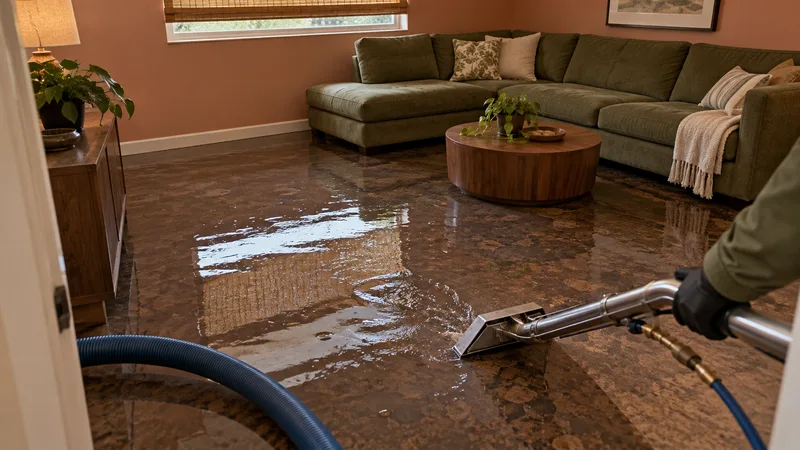
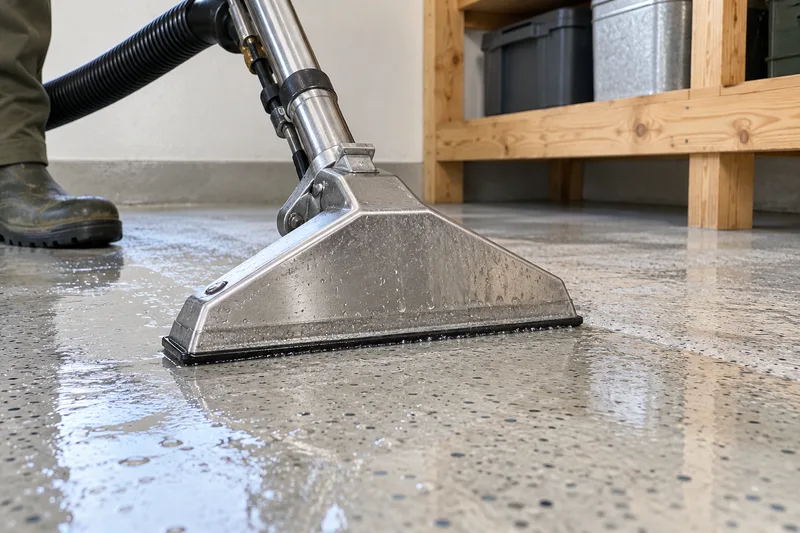
Share the address, affected rooms and source if known. Confirm contractor availability, assessment and terms.
(281) 306-5394The visible pool and the moisture retained beneath a surface are different parts of the discussion.
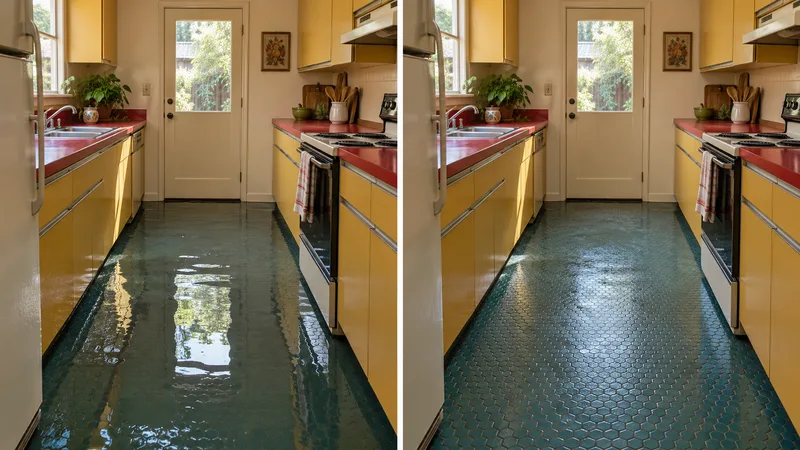
Water Extraction in Deer Park should consider the visible water, the surfaces beneath it and a safe route to reach the area.
A pool can extend beyond the surface you can see. Describe where water is visible and any doorway into an adjoining room.
Carpet cushion, floor joins and wall edges can retain moisture after accessible water is removed. Ask what can be assessed without opening the building.
Furniture, appliances, steps and electricity concerns affect entry and equipment placement. Explain them before anyone carries equipment inside.
The extraction stage can make a room look clearer before the materials are dry. Ask which areas can be measured and what any findings mean for the next work proposal.
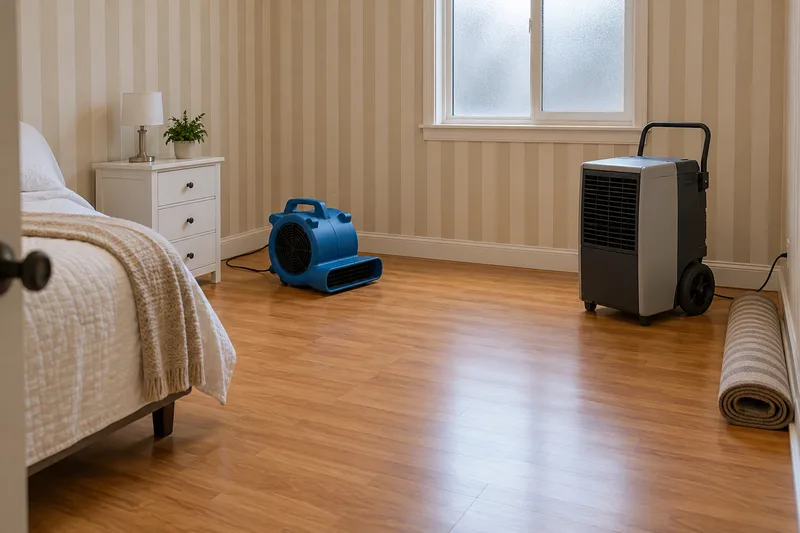
Address, source if known, affected floors and any hazard belong in the first conversation.
The contractor selects equipment for the water and materials, with changes agreed before extra work.
Ask what was found, what is still wet and how proposed follow-up work would be documented and charged.
Use Dow Park, Avon Park, Center Street or another verified local reference to orient the call, then provide the actual work address. Public facilities are geographic references, not service offices or customer projects.
Sources: city facility directory and Patrick’s Cabin history.
For water extraction in Deer Park, request terms that follow the actual wet rooms and the route inside.
Confirm the assessment, rooms, materials and accessible water removal covered by the proposed charge.
Furniture handling, equipment time, further access or drying can alter the work. Clarify how additions require approval.
Ask for the findings, agreed scope and next-stage recommendations so the difference between removal and drying is clear.
Call (281) 306-5394 with your complete property address and the rooms affected. Explain the source if known and any concern about safe entry. The contractor confirms acceptance, assessment and terms.
Extraction removes accessible bulk water. Moisture may still be retained in cushion, seams, cabinets or wall bases. Ask how the findings will be checked and what further drying or access would require separate agreement.
Water condition, floor layers, elapsed time and access can matter as much as the visible puddle. Explain what is wet and what cannot be seen safely rather than measuring the scope from the surface alone.
A photograph helps describe the room but may not show retained water, hidden layers or an access problem. Ask about any assessment charge and get the scope and pricing from the contractor before approving the work.
Say that it is unknown. Describe when you noticed water, which room was wet first and whether water continues to enter. Avoid going into an unsafe area just to investigate.
No fixed response window is advertised here. The receiving contractor confirms whether the address and situation can be accepted and what scheduling is available.
Give the exact address and describe the affected rooms. The independent contractor confirms availability, the assessment and work terms.